


Structural Osteopathy in Richmond Hill, Canada: Restoring Alignment, Mobility, and Lasting Musculoskeletal Health
Structural osteopathy is a specialized form of manual therapy that focuses on restoring the optimal alignment and function of the body’s musculoskeletal system. Through a combination of precise hands-on techniques, biomechanical assessment, and individualized treatment planning, structural osteopathy aims to alleviate pain, improve mobility, and enhance the body’s natural ability to heal itself.
Every movement the body performs depends on the harmonious interaction of bones, joints, muscles, ligaments, fascia, and connective tissues. When one component becomes restricted or misaligned, compensatory patterns often develop throughout the body. These imbalances may lead to chronic pain, reduced flexibility, poor posture, and recurrent injuries.
At Lumine Health Clinic in Richmond Hill, structural osteopathy provides a comprehensive, patient-centered approach to identifying and correcting these dysfunctions, helping individuals move more comfortably and confidently.
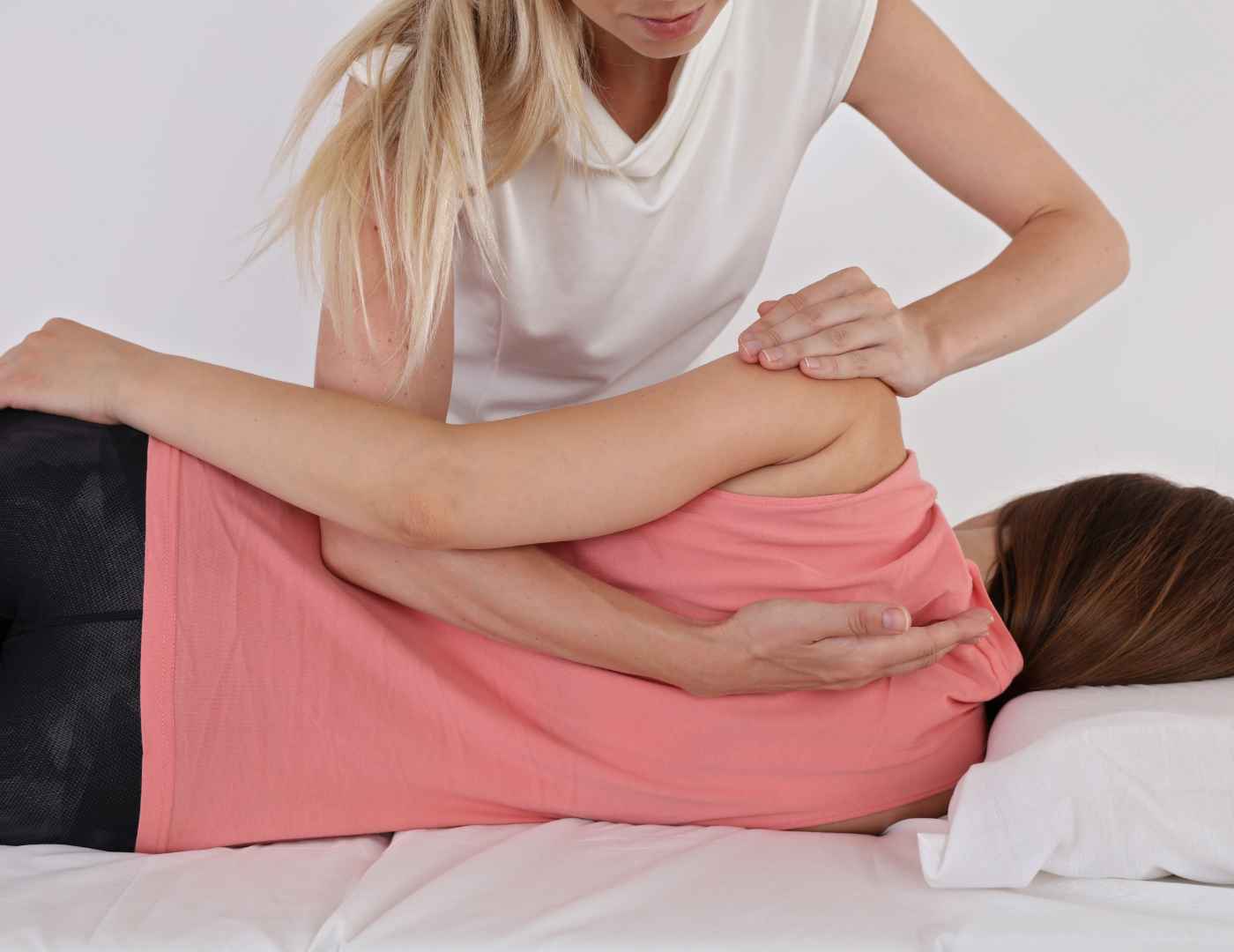
Understanding Structural Osteopathy
Structural osteopathy is founded on the principle that the body’s structure and function are inseparably connected. When joints lose their normal mobility or muscles become chronically tense, the body’s mechanical efficiency declines. Over time, these changes can affect posture, balance, movement quality, and overall physical performance.
Rather than focusing solely on the location of pain, structural osteopathy evaluates the entire musculoskeletal system. The objective is to identify the primary source of dysfunction while also addressing secondary compensatory patterns that may contribute to ongoing symptoms.
Treatment is individualized and designed to restore normal biomechanics through gentle yet effective manual techniques.
The Philosophy Behind Structural Osteopathy
One of the core principles of osteopathy is that the body possesses an inherent capacity for healing when its structural relationships are functioning properly.
Structural osteopaths recognize that pain experienced in one area may originate from dysfunction elsewhere in the body. For example, reduced mobility in the hips may contribute to lower back pain, while restrictions in the thoracic spine can influence shoulder mechanics and neck function.
This holistic philosophy allows practitioners to treat the body as an integrated system rather than a collection of isolated parts.
How Structural Dysfunction Develops
Structural imbalances rarely occur overnight. They often develop gradually through repetitive movements, prolonged sitting, poor posture, occupational demands, athletic training, previous injuries, or age-related degeneration.
As these mechanical stresses accumulate, muscles tighten, joints lose mobility, connective tissues stiffen, and movement patterns become increasingly inefficient.
Without appropriate intervention, these dysfunctions can progress into persistent pain and chronic movement limitations.
Conditions Commonly Treated with Structural Osteopathy
Structural osteopathy is highly effective for a broad range of musculoskeletal conditions.
Neck Pain and Cervical Dysfunction
Neck pain commonly results from prolonged computer use, poor posture, repetitive strain, or previous injuries.
Structural osteopathic treatment improves cervical joint mobility, reduces muscle tension, and restores more efficient movement patterns, helping alleviate discomfort and improve daily function.
Lower Back Pain
Lower back pain is among the most frequent reasons individuals seek osteopathic care.
Treatment focuses on restoring movement within the lumbar spine, pelvis, and surrounding soft tissues while addressing contributing factors such as core weakness, hip restrictions, and postural imbalances.
Shoulder Pain and Reduced Mobility
Shoulder dysfunction may arise from joint stiffness, muscular imbalance, or repetitive overhead activities.
Structural osteopathy helps restore joint mechanics, improve soft tissue flexibility, and reduce unnecessary stress on surrounding structures.
Hip and Pelvic Dysfunction
The pelvis serves as the foundation for spinal alignment and lower body movement.
Restricted pelvic mobility can contribute to back pain, altered gait, knee discomfort, and muscular compensation throughout the body.
Sports Injuries and Repetitive Strain
Athletes and physically active individuals frequently develop biomechanical imbalances that compromise performance and increase injury risk.
Structural osteopathy identifies and corrects these dysfunctions, supporting recovery while helping prevent future injuries.
Techniques Used in Structural Osteopathy
Structural osteopathy incorporates a variety of evidence-informed manual techniques tailored to each individual’s needs.
Joint Mobilization
Joint mobilization uses controlled, rhythmic movements to restore normal joint mechanics and improve range of motion.
These gentle techniques help reduce stiffness while encouraging smoother, more natural movement.
Soft Tissue Manipulation
Muscles, tendons, and fascia often become tight in response to injury or prolonged mechanical stress.
Soft tissue techniques release tension, improve circulation, and restore tissue flexibility.
Muscle Energy Techniques
Muscle energy techniques involve active patient participation through controlled muscle contractions followed by stretching.
These methods are particularly effective for correcting joint restrictions and restoring muscular balance.
Myofascial Release
The fascial system connects virtually every structure within the body.
Myofascial release targets restrictions within this connective tissue network, improving movement quality and reducing discomfort.
Postural Correction Strategies
Structural osteopathy extends beyond hands-on treatment by identifying habitual movement patterns that contribute to dysfunction.
Patients receive guidance on posture, ergonomics, and body mechanics to reinforce long-term improvements.
Benefits of Structural Osteopathy
Structural osteopathy offers numerous benefits that extend beyond pain management.
Effective Pain Relief
By addressing the underlying mechanical causes of pain, treatment provides meaningful and lasting symptom reduction.
Rather than temporarily masking discomfort, structural osteopathy focuses on correcting the dysfunction responsible for pain.
Improved Mobility and Flexibility
Restoring joint mobility and soft tissue flexibility allows individuals to move with greater ease, efficiency, and confidence.
Improved movement also reduces stress on adjacent joints and muscles.
Enhanced Postural Alignment
Poor posture places unnecessary strain on the spine and surrounding structures.
Structural osteopathy helps restore postural balance, reducing mechanical stress throughout the body.
Better Physical Performance
Whether participating in recreational exercise or competitive athletics, improved biomechanics contribute to greater efficiency, coordination, and endurance.
Prevention of Future Injuries
Correcting dysfunctional movement patterns helps reduce excessive strain on tissues, lowering the likelihood of recurrent injuries and chronic musculoskeletal problems.
What to Expect During a Structural Osteopathy Session
Every treatment begins with a comprehensive assessment.
Thorough Clinical Evaluation
The practitioner evaluates posture, gait, joint mobility, muscular balance, flexibility, and movement patterns.
This detailed assessment identifies both primary dysfunctions and compensatory adaptations.
Individualized Treatment Plan
Treatment is customized according to the patient’s symptoms, medical history, activity level, and personal goals.
No two treatment plans are identical because every individual’s biomechanics are unique.
Hands-On Manual Treatment
The osteopath uses a combination of manual techniques to restore movement, reduce tension, and improve structural alignment.
Treatment intensity is always adapted to the patient’s comfort and clinical presentation.
Exercise and Lifestyle Recommendations
To maximize long-term outcomes, patients may receive personalized stretching routines, strengthening exercises, ergonomic advice, and movement education.
These strategies reinforce treatment gains and reduce the likelihood of recurrence.
Who Can Benefit from Structural Osteopathy?
Structural osteopathy is appropriate for individuals of all ages and activity levels.
Office Workers
People who spend prolonged hours sitting often develop postural dysfunction, spinal stiffness, and muscular imbalance.
Structural osteopathy helps restore mobility while reducing workplace-related discomfort.
Athletes and Active Individuals
Sports participants benefit from improved biomechanics, faster recovery, and enhanced injury prevention.
Individuals with Chronic Musculoskeletal Pain
Those living with persistent neck pain, back pain, shoulder discomfort, or joint stiffness frequently experience meaningful improvements through osteopathic care.
Individuals Recovering from Injury
Following sprains, strains, or orthopedic injuries, structural osteopathy supports healing while restoring efficient movement patterns.
Structural Osteopathy in Richmond Hill
Residents of Richmond Hill seeking a comprehensive, hands-on approach to musculoskeletal health can benefit from structural osteopathy as part of an individualized rehabilitation program.
Personalized Osteopathic Care
At Lumine Health Clinic, every treatment plan is tailored to the patient’s unique biomechanics, health history, lifestyle, and recovery goals.
Supporting Long-Term Musculoskeletal Wellness
Structural osteopathy is not solely focused on relieving current pain. It aims to restore optimal body mechanics, improve movement quality, and promote long-term physical resilience.
By combining precise manual therapy with education, corrective exercise, and preventive strategies, structural osteopathy empowers individuals to maintain healthier movement, reduce future injury risk, and enjoy a more active, comfortable lifestyle.