


Osteopathy for Sports Injuries in Richmond Hill, Canada: Restoring Performance Through Precision Manual Care
Sports injuries are an unavoidable reality for athletes and active individuals. Whether caused by sudden impact, repetitive strain, or biomechanical overload, these injuries can significantly disrupt performance and daily movement. Osteopathy offers a refined, hands-on approach to recovery—focusing not only on the injured site but on the entire body as an interconnected system.
At Lumine Health Clinic in Richmond Hill, osteopathy is used to help athletes recover faster, reduce pain, and prevent re-injury through a holistic and structurally informed method of care.
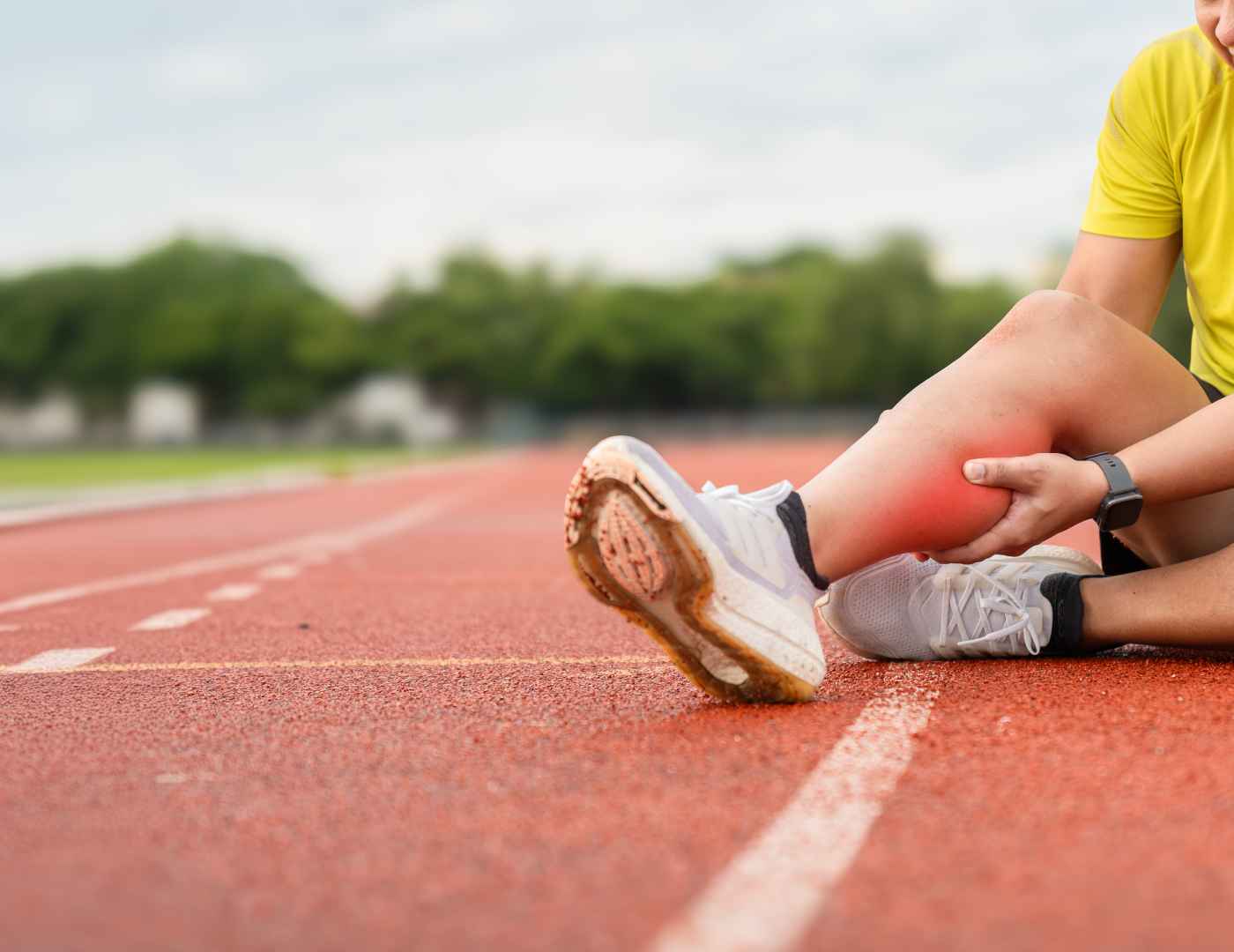
Understanding Osteopathy in Sports Injury Recovery
Osteopathy is a manual therapy discipline grounded in the principle that the body functions as a unified, self-regulating system. When injury occurs, it rarely affects only one structure. Instead, compensation patterns emerge, altering movement mechanics throughout the body.
In sports injuries, this means a strained hamstring may influence pelvic alignment, which in turn affects lower back function and even upper body posture. Osteopathic treatment addresses these cascading effects with meticulous precision.
The goal is not merely symptom relief, but restoration of optimal biomechanical balance and functional harmony.
The Philosophy Behind Osteopathic Treatment
Osteopathy is built upon a holistic philosophy that emphasizes structure-function interdependence. When the musculoskeletal system is aligned and moving freely, the body is better equipped to heal itself.
This approach avoids isolating the injury. Instead, it evaluates how the entire kinetic chain contributes to dysfunction.
Treatment is gentle, analytical, and deeply integrative—focused on restoring equilibrium rather than forcing change.
Why Athletes Respond Well to Osteopathic Care
Athletes place repetitive and high-intensity demands on their bodies. Over time, this can lead to microtraumas, joint restrictions, and muscular imbalances.
Osteopathy helps restore mobility, improve circulation, and reduce tissue tension, allowing athletes to return to activity with improved resilience and efficiency.
Common Sports Injuries Treated with Osteopathy
Osteopathy is highly effective for a wide range of acute and chronic sports-related conditions.
Muscle Strains and Ligament Sprains
Strains and sprains are among the most frequent sports injuries. They occur when tissues are overstretched or overloaded.
Osteopathic techniques help reduce inflammation, improve tissue healing, and restore normal elasticity.
Tendon Overuse Injuries
Conditions such as Achilles tendinopathy, tennis elbow, and rotator cuff irritation develop from repetitive stress.
Osteopathy addresses both local tissue dysfunction and contributing biomechanical factors.
Joint Injuries and Impingement Syndromes
Joints subjected to repetitive motion or trauma may become restricted or inflamed.
Osteopathic care restores joint mobility and reduces compensatory stress on surrounding structures.
Lower Back and Pelvic Injuries
Many sports injuries originate from or affect the lumbar spine and pelvis.
Osteopathy helps rebalance pelvic alignment and reduce spinal strain, improving overall movement mechanics.
Running and Impact-Related Injuries
Conditions such as shin splints, plantar fasciitis, and knee pain are common in runners.
Osteopathy addresses gait mechanics, fascial tension, and load distribution to reduce recurring stress.
How Osteopathy Supports Sports Injury Healing
Osteopathic treatment works through multiple physiological and biomechanical pathways.
Restoring Structural Balance
Injury often disrupts normal alignment. Muscles tighten protectively, joints stiffen, and movement patterns become inefficient.
Osteopathy gently restores alignment, allowing the body to move with less resistance and strain.
Improving Circulation and Tissue Repair
Manual techniques enhance blood flow and lymphatic drainage, which are essential for healing.
Better circulation delivers oxygen and nutrients to injured tissues while removing metabolic waste products.
Reducing Compensation Patterns
When one area is injured, other body parts compensate. These compensations can lead to secondary injuries.
Osteopathy identifies and corrects these patterns early, preventing long-term dysfunction.
Enhancing Neuromuscular Coordination
Efficient movement depends on clear communication between the nervous system and muscles.
Osteopathic treatment helps recalibrate this communication, improving coordination and movement efficiency.
Osteopathic Techniques Used in Sports Injury Treatment
Osteopaths use a range of gentle yet highly effective manual techniques tailored to each athlete’s condition.
Soft Tissue Manipulation
This involves targeted release of tight muscles and fascia to reduce tension and improve flexibility.
It helps restore normal tissue texture and reduce pain sensitivity.
Joint Mobilization Techniques
Gentle articulation of joints improves range of motion and reduces stiffness.
These movements are controlled and adapted to the injury stage.
Myofascial Release
Fascial restrictions can significantly limit movement and contribute to chronic pain.
Myofascial release helps restore glide between tissue layers, improving mobility.
Muscle Energy Techniques
These involve controlled muscle contractions followed by stretching.
They are particularly effective for restoring joint alignment and correcting imbalances.
Cranial and Visceral Osteopathic Approaches (When Applicable)
In more complex cases, subtle techniques may be used to address deeper structural or neurological imbalances that influence recovery.
Benefits of Osteopathy for Athletes and Active Individuals
Osteopathy offers both immediate and long-term advantages for sports performance and recovery.
Faster Recovery Times
By improving circulation and reducing mechanical restrictions, osteopathy accelerates the healing process.
Pain Reduction Without Aggressive Intervention
Treatment is gentle yet effective, making it suitable even during acute injury phases.
Improved Flexibility and Mobility
Restored tissue elasticity enhances movement efficiency and athletic performance.
Injury Prevention
By correcting biomechanical imbalances, osteopathy reduces the likelihood of recurring injuries.
Enhanced Athletic Performance
When the body moves without restriction, strength, speed, and coordination improve naturally.
What to Expect During an Osteopathy Session for Sports Injuries
Osteopathic care follows a structured yet individualized process.
Comprehensive Assessment
Treatment begins with a detailed evaluation of posture, movement patterns, injury history, and biomechanics.
This helps identify both primary and secondary dysfunctions.
Individualized Treatment Plan
A personalized approach is created based on the athlete’s condition and performance goals.
No two treatment plans are identical.
Hands-On Manual Therapy
Treatment is delivered using precise, gentle techniques tailored to the injury stage and tissue response.
Progressive Rehabilitation Guidance
Patients are often given corrective exercises and movement strategies to support recovery between sessions.
Who Can Benefit from Osteopathy for Sports Injuries?
Osteopathy is suitable for a wide range of individuals engaged in physical activity.
Competitive Athletes
Those in high-performance sports benefit from optimized recovery and injury prevention.
Recreational Sports Participants
Weekend athletes often experience repetitive strain injuries that respond well to osteopathic care.
Fitness Enthusiasts
Gym-goers and active individuals benefit from improved movement efficiency and reduced pain.
Individuals Recovering from Injury
Osteopathy supports safe, structured recovery following acute or chronic sports injuries.
Osteopathy for Sports Injuries in Richmond Hill
At Lumine Health Clinic in Richmond Hill, osteopathy is integrated into comprehensive sports rehabilitation programs designed to restore function and enhance performance.
Personalized, Evidence-Informed Care
Each treatment is tailored to the athlete’s biomechanics, injury type, and recovery goals.
A Holistic Approach to Athletic Recovery
Osteopathy does not treat injuries in isolation. It addresses the entire body to ensure balanced, sustainable recovery.
By combining manual therapy with movement education and rehabilitation strategies, athletes can return to activity stronger, more resilient, and better aligned than before the injury.