


Introduction to Osteopathy for Pain Management
Pain has a way of reshaping daily life. It alters posture, restricts movement, and quietly erodes vitality. Osteopathy for pain management offers a refined, hands-on approach designed to restore equilibrium within the body and alleviate discomfort at its source.
Osteopathy is not merely about treating symptoms. It is about discerning the intricate interplay between structure and function, identifying biomechanical inefficiencies, and facilitating the body’s inherent capacity for repair.
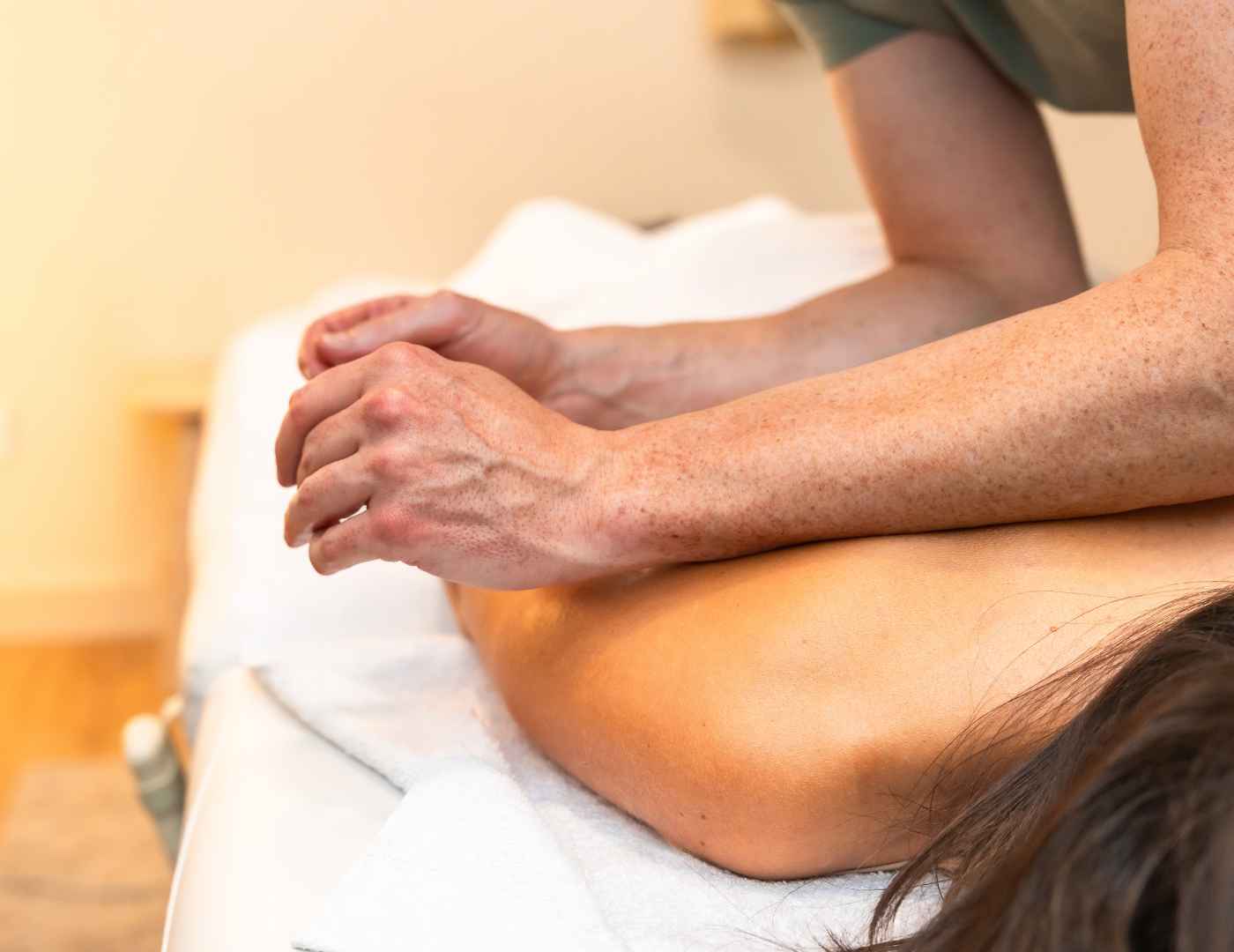
Understanding the Philosophy of Osteopathy
Osteopathy is grounded in a holistic philosophy. The body is viewed as a cohesive, interconnected system in which bones, muscles, ligaments, fascia, and internal organs operate in synchrony. When one component falters, compensatory strain emerges elsewhere.
This therapeutic discipline emphasizes palpatory precision. Through skilled touch, subtle restrictions in mobility and tissue texture are identified. Treatment is then directed toward restoring physiological harmony, encouraging circulation, and relieving mechanical tension.
Why Osteopathy Is Effective for Pain Relief
Pain often arises from dysfunctional movement patterns, joint restrictions, or myofascial tension. Osteopathy addresses these contributing factors directly. By improving alignment and reducing soft tissue strain, mechanical stress diminishes.
The result is often a reduction in inflammation, improved mobility, and a recalibration of neuromuscular coordination. Relief is not superficial. It is structural and functional.
Common Conditions Treated with Osteopathy
Osteopathy for pain management is versatile and adaptable. It supports individuals across a wide spectrum of musculoskeletal and chronic pain presentations.
Back and Neck Pain
Back and neck pain are among the most prevalent complaints in modern clinical practice. Prolonged sitting, repetitive strain, and postural imbalance frequently contribute to spinal dysfunction.
Osteopathic treatment focuses on restoring spinal mobility, reducing muscular hypertonicity, and improving biomechanical alignment. Gentle adjustments and soft tissue techniques alleviate compressive forces and enhance movement efficiency.
Headaches and Migraines
Tension headaches and certain types of migraines are often linked to cervical spine restriction and muscular tightness. Subtle imbalances in the upper neck can influence neural and vascular structures.
Osteopathic care aims to release these restrictions, decrease muscular tension, and improve cranial and cervical mobility, thereby reducing headache frequency and intensity.
Joint and Sports-Related Injuries
Athletic endeavors place repetitive stress on joints and connective tissues. When recovery is incomplete, compensatory movement patterns develop.
Osteopathy assists by optimizing joint articulation, enhancing circulation, and facilitating tissue repair. This promotes efficient recovery and reduces the likelihood of recurrent injury.
Chronic Pain Conditions
Chronic pain can be multifactorial, involving structural, neurological, and psychosocial elements. Osteopathic treatment addresses mechanical contributors while supporting overall functional resilience.
Gradual, consistent care can help modulate pain perception and restore more comfortable movement patterns over time.
Core Principles Behind Osteopathic Treatment
Osteopathy is guided by foundational principles that inform both assessment and intervention.
The Body as an Interconnected System
No structure operates in isolation. A restriction in the foot may influence the knee. A pelvic imbalance may affect the spine.
Osteopathic evaluation considers these kinetic chains, tracing pain patterns to their underlying mechanical origins.
Structure and Function Relationship
Structure governs function. When joints are misaligned or tissues restricted, physiological processes such as circulation and nerve conduction may be compromised.
Restoring structural integrity enhances functional capacity. The body moves more freely. Pain often subsides.
Supporting the Body’s Natural Healing Capacity
The human body possesses intrinsic reparative mechanisms. Osteopathic treatment seeks to augment these mechanisms rather than override them.
Improved circulation, optimized alignment, and reduced tension create an internal environment conducive to healing.
Osteopathic Techniques for Pain Management
Osteopathy employs a spectrum of manual techniques tailored to individual needs.
Manual Therapy and Soft Tissue Techniques
Gentle manual pressure and stretching techniques address muscular tightness and fascial restriction. These interventions improve elasticity and reduce localized inflammation.
Subtle changes in tissue mobility can produce profound relief.
Joint Mobilization and Manipulation
Targeted joint mobilization restores range of motion and decreases stiffness. In certain cases, precise manipulative techniques may be utilized to correct biomechanical dysfunction.
These methods are applied judiciously and with careful clinical reasoning.
Myofascial Release and Gentle Cranial Approaches
Fascial restrictions can perpetuate pain patterns. Myofascial release techniques aim to restore pliability within connective tissues.
Cranial approaches, when indicated, focus on subtle rhythmic motion within the craniosacral system, supporting relaxation and neurological balance.
The Osteopathic Treatment Experience
The therapeutic journey is deliberate and individualized.
Comprehensive Assessment and Diagnosis
An initial evaluation includes a detailed health history and biomechanical examination. Posture, movement patterns, and joint function are assessed meticulously.
This comprehensive analysis guides clinical decision-making.
Individualized Treatment Planning
Treatment plans are tailored to each individual’s condition, lifestyle, and goals. Frequency and technique selection are adjusted as progress unfolds.
Care is dynamic. It evolves with recovery.
Preventative Care and Long-Term Wellness
Osteopathy is not solely reactive. Preventative sessions help maintain structural balance and reduce recurrence of pain.
Sustained musculoskeletal health supports long-term vitality.
Benefits of Choosing Osteopathy for Pain Management
Osteopathy offers distinctive advantages for individuals seeking comprehensive pain relief.
Drug-Free and Non-Invasive Care
Osteopathic treatment relies on manual techniques rather than pharmaceuticals or invasive procedures. It provides a conservative option for managing pain safely.
Addressing Root Causes, Not Just Symptoms
Surface symptoms often mask deeper biomechanical dysfunction. Osteopathy identifies and treats these underlying contributors.
Relief becomes more durable.
Enhancing Mobility and Quality of Life
Improved range of motion and reduced discomfort translate into greater participation in work, recreation, and daily life.
Movement becomes fluid again. Confidence returns.
Osteopathy for Pain Management in Richmond Hill
Access to skilled osteopathic care within the local community enhances continuity and convenience.
Community-Focused, Patient-Centered Care
Receiving osteopathy in Richmond Hill allows individuals to integrate treatment seamlessly into their routines. Consistency strengthens outcomes.
Care remains attentive, personalized, and responsive.
Integrative Approach to Musculoskeletal Health
An integrative model ensures that osteopathy complements other therapeutic modalities when appropriate. Collaborative care enhances recovery and optimizes long-term results.
Osteopathy for pain management offers a measured, holistic pathway toward relief. Through precise manual therapy and a deep understanding of structural interdependence, it restores balance, alleviates discomfort, and supports enduring well-being.