


Introduction to Neurological Physiotherapy
Neurological physiotherapy is a highly specialized area of rehabilitation dedicated to individuals living with conditions that affect the brain, spinal cord, or peripheral nerves. These conditions often disrupt the body’s ability to move efficiently, maintain balance, or respond accurately to sensory input. As a result, even simple daily activities can become physically and emotionally demanding.
This form of physiotherapy focuses on restoring function through evidence-based movement strategies, emphasizing recovery, adaptation, and long-term independence. Rather than addressing symptoms in isolation, neurological physiotherapy considers the entire neuromuscular system and its capacity for change.
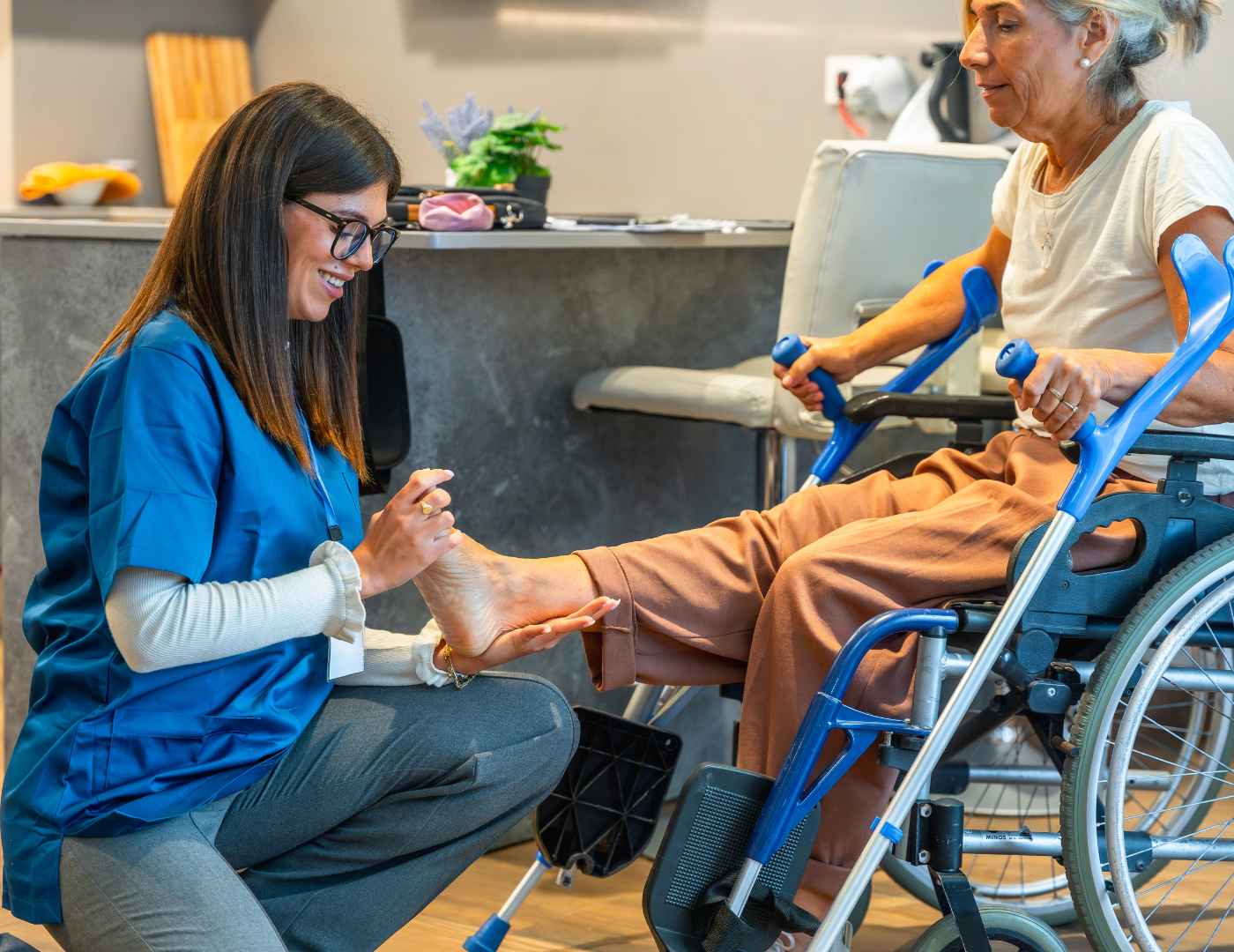
Understanding the Neurological System
The neurological system functions as the body’s central command network. It regulates voluntary movement, posture, coordination, sensation, and reflex activity. When neurological pathways are damaged by injury or disease, communication between the brain and body becomes impaired, leading to weakness, altered muscle tone, loss of coordination, or sensory disturbances.
Neurological physiotherapy is grounded in an in-depth understanding of how these pathways operate and how they can be retrained. Therapy aims to optimize remaining neural connections while encouraging the development of new ones to support functional recovery.
The Role of Physiotherapy in Neurological Care
Physiotherapy plays a critical role in translating neurological diagnoses into meaningful improvements in daily function. Treatment focuses on restoring purposeful movement, improving motor control, and reducing physical limitations that interfere with independence.
Through targeted exercises and hands-on techniques, neurological physiotherapy helps individuals relearn how to move efficiently, safely, and confidently within their environment.
Conditions Treated with Neurological Physiotherapy
Neurological physiotherapy supports recovery across a broad range of neurological conditions, each presenting distinct challenges and rehabilitation goals.
Stroke and Acquired Brain Injuries
Stroke and acquired brain injuries frequently result in muscle weakness, impaired coordination, balance deficits, and altered movement patterns. Neurological physiotherapy addresses these impairments through structured, repetitive training that encourages the brain to reorganize and adapt.
Therapy focuses on restoring functional symmetry, improving trunk stability, and retraining everyday movements such as walking, reaching, and transferring.
Parkinson’s Disease and Movement Disorders
Parkinson’s disease and related movement disorders are characterized by rigidity, slowed movement, postural instability, and gait disturbances. Neurological physiotherapy emphasizes movement amplitude, rhythm, and posture to counteract these changes.
Consistent therapy can improve walking efficiency, reduce fall risk, and support continued participation in daily activities.
Multiple Sclerosis and Neurodegenerative Conditions
Multiple sclerosis and other neurodegenerative conditions often present with fluctuating symptoms, including fatigue, weakness, and impaired coordination. Neurological physiotherapy adapts to these variations, offering flexible treatment strategies that prioritize energy conservation and functional endurance.
The goal is to preserve mobility, minimize secondary complications, and maintain quality of life for as long as possible.
Spinal Cord Injuries and Peripheral Nerve Damage
Spinal cord injuries and peripheral nerve damage can significantly alter sensation and motor control. Neurological physiotherapy focuses on maximizing remaining function, preventing complications such as joint stiffness or muscle atrophy, and promoting safe movement strategies.
Therapy may also include adaptive techniques that enhance independence despite permanent neurological changes.
Core Principles of Neurological Physiotherapy
Successful neurological rehabilitation is guided by foundational principles rooted in neuroscience and functional movement science.
Neuroplasticity and Motor Relearning
Neuroplasticity refers to the nervous system’s ability to reorganize itself by forming new neural connections. This principle is central to neurological physiotherapy. Through repetitive, task-specific practice, the brain learns alternative ways to execute movement.
Even in chronic conditions, targeted therapy can stimulate meaningful improvements in motor control and coordination.
Individualized Assessment and Goal Setting
Neurological conditions affect each individual differently. Comprehensive assessment allows the physiotherapist to identify specific impairments, functional limitations, and personal goals.
Treatment plans are tailored accordingly, ensuring therapy remains relevant, achievable, and aligned with the individual’s lifestyle and priorities.
Functional Movement and Task-Specific Training
Rather than isolating muscles, neurological physiotherapy emphasizes movements that directly translate to daily life. Tasks such as standing up from a chair, walking on uneven surfaces, or navigating stairs are practiced in controlled, progressive ways.
This approach enhances carryover from the clinic into real-world environments.
Techniques and Therapeutic Approaches
A diverse range of therapeutic techniques is used to address the complexity of neurological conditions.
Balance, Gait, and Postural Re-education
Impaired balance and postural instability significantly increase fall risk. Neurological physiotherapy includes exercises that challenge stability, improve alignment, and refine walking mechanics.
These interventions enhance safety, confidence, and mobility.
Strengthening, Mobility, and Spasticity Management
Neurological conditions often involve both muscle weakness and increased muscle tone. Controlled strengthening, stretching, and manual therapy techniques help regulate muscle activity while improving joint mobility.
This balanced approach supports smoother, more efficient movement.
Sensory Integration and Coordination Training
Sensory feedback plays a crucial role in movement accuracy. Neurological physiotherapy incorporates sensory integration strategies to improve body awareness, coordination, and motor precision.
Enhanced sensory processing contributes to better balance and functional control.
Technology-Assisted Rehabilitation
Modern rehabilitation tools can provide objective feedback and measurable progress tracking. When appropriate, technology-assisted approaches complement traditional therapy by increasing engagement and motor learning efficiency.
The Patient Journey in Neurological Physiotherapy
Neurological rehabilitation is an evolving process that requires adaptability and ongoing support.
Initial Evaluation and Treatment Planning
The initial assessment establishes a clear understanding of physical limitations, movement patterns, and functional goals. A structured treatment plan is then developed to guide therapy progression.
This foundation ensures clarity and consistency throughout the rehabilitation process.
Ongoing Progression and Adaptation
As recovery progresses, therapy is continuously adjusted. Exercises become more complex, goals are refined, and new challenges are introduced to stimulate ongoing neurological adaptation.
Empowering Patients Through Education and Self-Management
Education is an essential component of neurological physiotherapy. Understanding one’s condition and learning self-management strategies fosters confidence and long-term success beyond the clinic.
Benefits of Neurological Physiotherapy for Long-Term Health
The benefits of neurological physiotherapy extend well beyond physical improvement.
Restoring Independence and Confidence
Improved functional ability allows individuals to regain control over daily activities. This independence often leads to enhanced confidence and emotional well-being.
Enhancing Quality of Life
Greater mobility, improved balance, and reduced physical limitations contribute to a more active, fulfilling lifestyle. Neurological physiotherapy supports continued participation in work, family, and community life.
Supporting Families and Caregivers
Neurological conditions affect not only the individual but also their support network. Physiotherapy provides education and guidance that help families and caregivers offer effective, safe assistance.
Neurological Physiotherapy in Richmond Hill, Canada
Access to specialized neurological physiotherapy within the local community plays a vital role in sustained recovery.
Community-Based Rehabilitation and Accessibility
Receiving treatment close to home promotes consistency and long-term adherence. Community-based neurological physiotherapy allows care to integrate seamlessly into everyday life.
An Integrated, Patient-Centered Approach
A patient-centered approach ensures that care remains collaborative, comprehensive, and responsive to changing needs. Neurological physiotherapy supports recovery by focusing on functional goals, resilience, and lasting independence.