


Cranial Osteopathy in Richmond Hill, Canada: A Gentle Approach to Whole-Body Wellness
Cranial osteopathy is one of the most subtle and specialized forms of osteopathic treatment. Characterized by gentle hands-on techniques and a holistic philosophy, it focuses on supporting the body’s natural ability to regulate, heal, and maintain balance. While the treatment itself is remarkably delicate, its effects can be profound for individuals experiencing tension, discomfort, stress-related symptoms, and a variety of musculoskeletal concerns.
Unlike more forceful manual therapies, cranial osteopathy utilizes precise touch to assess and influence the mobility of tissues throughout the body. Osteopathic practitioners believe that restrictions within the body’s connective tissues can affect overall health and function, and that restoring natural movement may help improve physical well-being.
At Lumine Health Clinic in Richmond Hill, cranial osteopathy is incorporated into personalized treatment plans designed to promote relaxation, enhance mobility, and support the body’s innate healing processes.
Understanding Cranial Osteopathy
Cranial osteopathy is a specialized branch of osteopathic medicine that focuses on subtle rhythmic movements within the body. Although the name suggests a primary focus on the skull, cranial osteopathy considers the interconnected relationship between the head, spine, nervous system, connective tissues, and the rest of the body.
Practitioners use highly refined palpation skills to identify areas of tension, restriction, or imbalance. Through gentle manual contact, they aim to encourage improved mobility and physiological harmony throughout the body’s structures.
The treatment is non-invasive, comfortable, and suitable for individuals of various ages and physical conditions.
The Origins of Cranial Osteopathy
Cranial osteopathy was developed in the early twentieth century as an extension of traditional osteopathic principles. It emerged from the observation that the body possesses subtle rhythmic motions that reflect overall health and physiological function.
Over time, practitioners refined techniques designed to assess and support these movements. Today, cranial osteopathy remains an important component of holistic osteopathic care, emphasizing the relationship between structure, function, and self-regulation.
The Philosophy Behind Cranial Osteopathy
At its core, cranial osteopathy is based on the belief that the body functions as an integrated unit. Restrictions in one area may influence seemingly unrelated regions due to the interconnected nature of muscles, fascia, nerves, and joints.
Rather than focusing exclusively on symptoms, practitioners seek to identify underlying patterns of dysfunction that may contribute to discomfort or impaired mobility.
This whole-body perspective distinguishes cranial osteopathy from approaches that address only isolated structures.
How Cranial Osteopathy Works
Although cranial osteopathy utilizes light touch, the treatment is guided by detailed anatomical knowledge and sophisticated clinical assessment.
Evaluating Tissue Mobility
The body contains an extensive network of connective tissues known as fascia. These tissues surround and support muscles, organs, nerves, and bones.
Restrictions within the fascial system may limit movement and contribute to tension throughout the body. Cranial osteopathy seeks to identify these restrictions and encourage improved tissue mobility.
Supporting Nervous System Regulation
The nervous system plays a central role in coordinating bodily function. Chronic stress, injury, and physical strain can influence nervous system activity and contribute to muscle tension or discomfort.
Gentle osteopathic techniques may help promote relaxation and encourage a more balanced physiological state.
Encouraging the Body’s Natural Healing Capacity
One of the fundamental principles of osteopathy is that the body possesses inherent mechanisms for healing and self-correction.
Cranial osteopathy aims to support these mechanisms by reducing structural restrictions and improving overall tissue mobility.
Conditions Commonly Addressed with Cranial Osteopathy
Cranial osteopathy is often used as part of a comprehensive treatment strategy for various musculoskeletal and functional concerns.
Headaches and Tension-Related Discomfort
Tension headaches are frequently associated with muscular tightness and restrictions within the neck, shoulders, and cranial structures.
Cranial osteopathy may help reduce tension and promote relaxation, contributing to symptom relief.
Neck Pain and Postural Strain
Modern lifestyles often involve prolonged computer use, mobile device usage, and sedentary behavior. These habits can create postural imbalances that affect the neck and upper spine.
Gentle osteopathic treatment helps address tissue restrictions and improve overall mobility.
Stress and Physical Tension
Stress often manifests physically through muscle tightness, jaw clenching, and generalized tension.
Cranial osteopathy promotes a state of relaxation that may help reduce the physical effects of chronic stress.
Temporomandibular Joint (TMJ) Dysfunction
Jaw discomfort, clicking, and restricted movement can affect daily activities such as eating and speaking.
Osteopathic treatment may help improve mobility and reduce tension within the surrounding structures.
Recovery from Injury
Following injury, compensatory patterns can develop throughout the body. Cranial osteopathy helps address these adaptations and supports overall recovery.
Benefits of Cranial Osteopathy
The benefits of cranial osteopathy often extend beyond symptom management.
Gentle and Non-Invasive Care
One of the most appealing aspects of cranial osteopathy is its exceptionally gentle approach.
The treatment does not involve forceful manipulation, making it suitable for individuals who prefer a more subtle therapeutic experience.
Improved Relaxation and Stress Reduction
Many patients report feeling deeply relaxed during and after treatment.
This relaxation response can positively influence muscle tension, sleep quality, and overall well-being.
Enhanced Mobility and Comfort
By addressing restrictions within connective tissues and joints, cranial osteopathy may contribute to improved movement and reduced discomfort.
Whole-Body Treatment Approach
Rather than focusing solely on the area of symptoms, cranial osteopathy considers the interconnected nature of the body.
This holistic perspective helps identify contributing factors that may otherwise be overlooked.
Support for Long-Term Wellness
Regular osteopathic care may help maintain mobility, reduce physical stress accumulation, and support overall health.
What to Expect During a Cranial Osteopathy Session
Understanding the treatment process can help patients feel comfortable and informed.
Comprehensive Assessment
The appointment begins with a detailed discussion of symptoms, health history, lifestyle factors, and treatment goals.
The practitioner then evaluates posture, movement patterns, and areas of restriction.
Gentle Hands-On Treatment
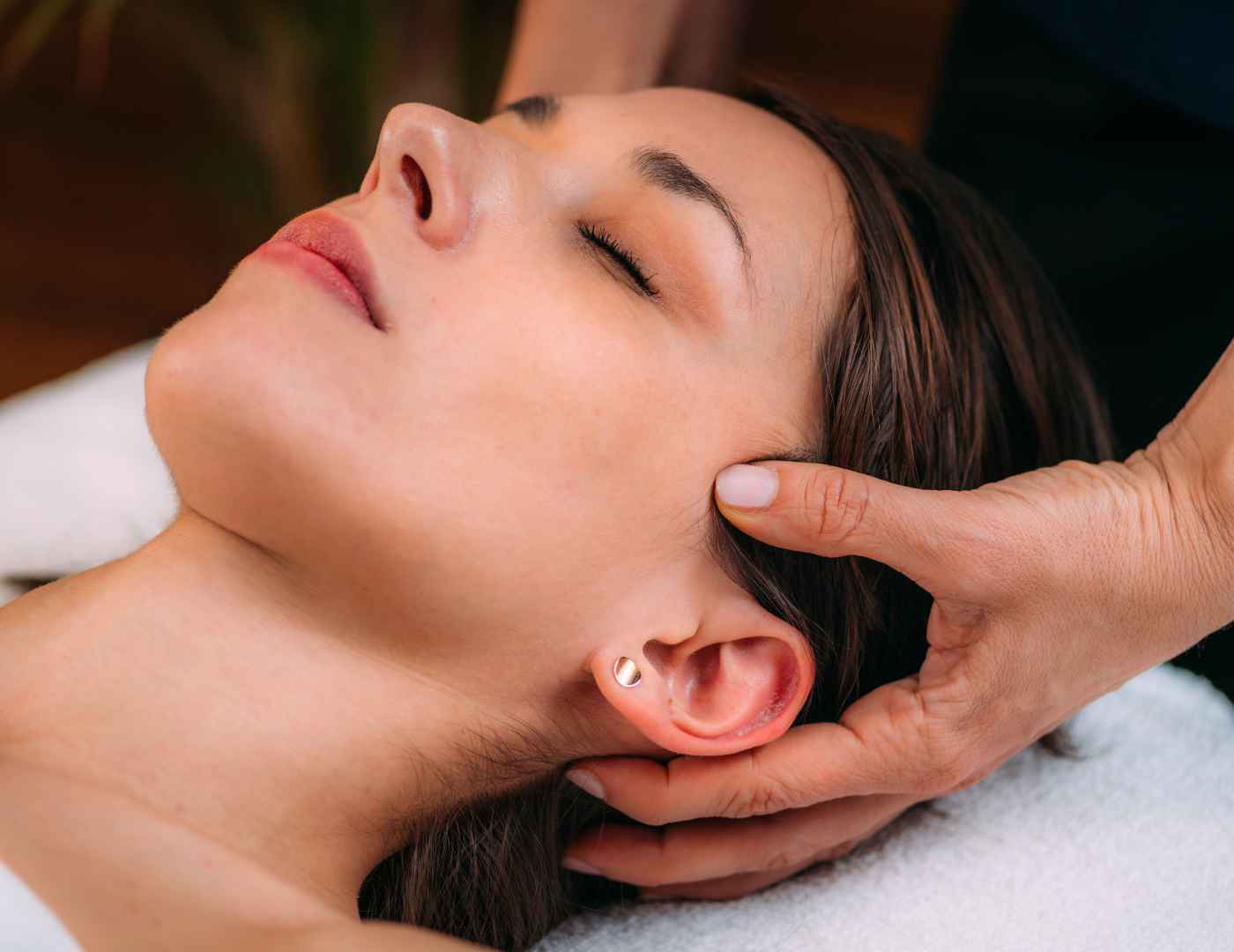
During treatment, the patient typically lies comfortably on a treatment table while the practitioner uses light touch to assess and address tissue restrictions.
The techniques are subtle yet highly specific.
Personalized Care Planning
Each treatment is tailored to the individual’s unique presentation and needs.
Recommendations may include additional osteopathic sessions, exercises, posture modifications, or lifestyle adjustments.
Ongoing Monitoring and Progress Evaluation
As treatment progresses, the practitioner continually assesses changes in mobility, comfort, and function to ensure optimal outcomes.
Who Can Benefit from Cranial Osteopathy?
Cranial osteopathy may benefit a wide variety of individuals.
Office Workers and Professionals
Those experiencing stress, tension headaches, or postural strain often find cranial osteopathy helpful.
Athletes and Active Individuals
Athletes may benefit from improved mobility, recovery support, and enhanced body awareness.
Individuals Managing Chronic Tension
Persistent muscular tightness and stress-related physical symptoms can often be addressed through gentle osteopathic care.
Individuals Seeking Holistic Wellness
Many people choose cranial osteopathy as part of a broader strategy to support physical and emotional well-being.
Cranial Osteopathy in Richmond Hill
For residents of Richmond Hill seeking a gentle and holistic approach to musculoskeletal care, cranial osteopathy offers a unique therapeutic option.
Individualized Treatment for Whole-Body Balance
At Lumine Health Clinic, treatment plans are customized to address each patient’s specific needs, health history, and wellness objectives.
Supporting Comfort, Mobility, and Well-Being
Cranial osteopathy focuses on enhancing the body’s natural capacity for balance and self-regulation. Through precise hands-on techniques and a comprehensive understanding of human anatomy, it supports improved mobility, reduced tension, and a greater sense of overall well-being.
As part of a personalized healthcare strategy, cranial osteopathy can contribute meaningfully to both immediate comfort and long-term physical wellness.